Paid To Popup Latest Home Design

Use of Colors and Neutrals

Understanding the Use of Colors and Neutrals

This is one of the key basics of interior design, but it doesn’t need to be complicated. Any good art store will have a color wheel you can twist and turn to see examples of:


- Primary colors.
- Secondary or complementary colors.
- Tertiary colors.
The color wheel explains how to balance the use of color for what is known as a harmonious effect.
Neutrals are forms of white, black, gray and beige. Neutrals are predominately used as the foundation of a room’s scheme, but can also be the primary decoration, then accented with color.
Stores with a wall of paint swatches also have samples and guidebooks of how to blend colors and neutrals, as well as instruction cards that feature set color palettes that simplify color and neutral matching. Use these examples as shown or as inspiration for your own creations.

read more

Thursday, March 26, 2009 0 comments

Big vs. Small

Big vs. Small

The size of a room or the features within it dictates basic interior design elements. If you have a small office, for example, an antique roll top desk smack in the middle of room will make the room feel crowded. A better choice might be a more "airy" piece of furniture.
The proper use of scale applies to paint and fabrics as well. While rooms painted white appear larger, that doesn’t mean all small rooms should be white. A tiny nursery can be very intimate in forest green – but adding a wallpaper border of giant teddy bears may be a bit too much, making the room appear off-balance.
The general rule is larger rooms accommodate bigger furniture and patterns well, just as smaller rooms work better with less furniture and reduced prints.
read more

Monday, March 23, 2009 0 comments

Basics of Interior Design

First Shop for Ideas


Some people have a knack for going beyond the basics of interior design, blending what seem to be the perfect colors, furniture, art and patterns together to make a room or an entire home really "pop." The rest of us might have to work a little harder, but with time and research, you’ll have fun developing a style truly your own based on expert tips.


Idea shopping allows for contact with professional arrangements first hand. You can spend as much time as needed to compare color schemes, furniture arrangements and so on, learning as you go.
Three relatively free ways to get ideas:

  • Flip through magazines and make a "clip file" of what you like.
  • Take a showcase home tour.
  • Visit furniture stores that feature whole room displays.

Your reactions to various settings may surprise you. Maybe you thought you wanted a French country feel for the living room but now like the look of a neo-contemporary couch. Your mind’s eye might have always envisioned the dining room in fire engine red, but there’s just something about it being delft blue with white trim that soothes you.
The ideas you’ve collected will help you move forward with design.


Plan the Room


Think about what you want the room to accomplish.
Maybe you’re redoing a family room that will be chock full of children, pets and peanut butter cracker crumbs. The fabrics, paint color, even the lighting for this action-oriented room will be completely opposite to the needs of a tranquil bathroom, just as the functional design of a modern home office will differ from a cozy guest bedroom.

Design pros use a maquette to map out the dimensions of a room, outline the furniture, assign placement to windows, doors, outlets and other immovable objects, such as a fireplace, to know how and what to design.
The maquette can be a simple piece of paper with the room drawn on it, featuring measurements of each area for quick reference. You can also place little shapes of furniture on the maquette to "move" at will as you work through your design.

read more

Saturday, March 21, 2009 0 comments

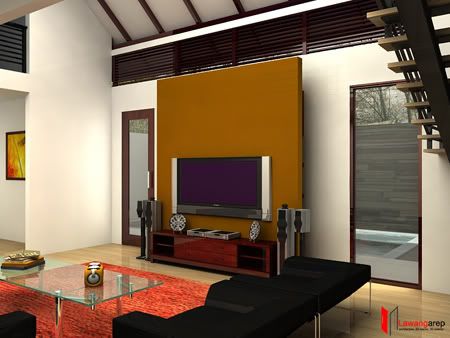
Modern Minimalis Living Room


Modern Minimalis Living Room
read more

Thursday, March 5, 2009 0 comments

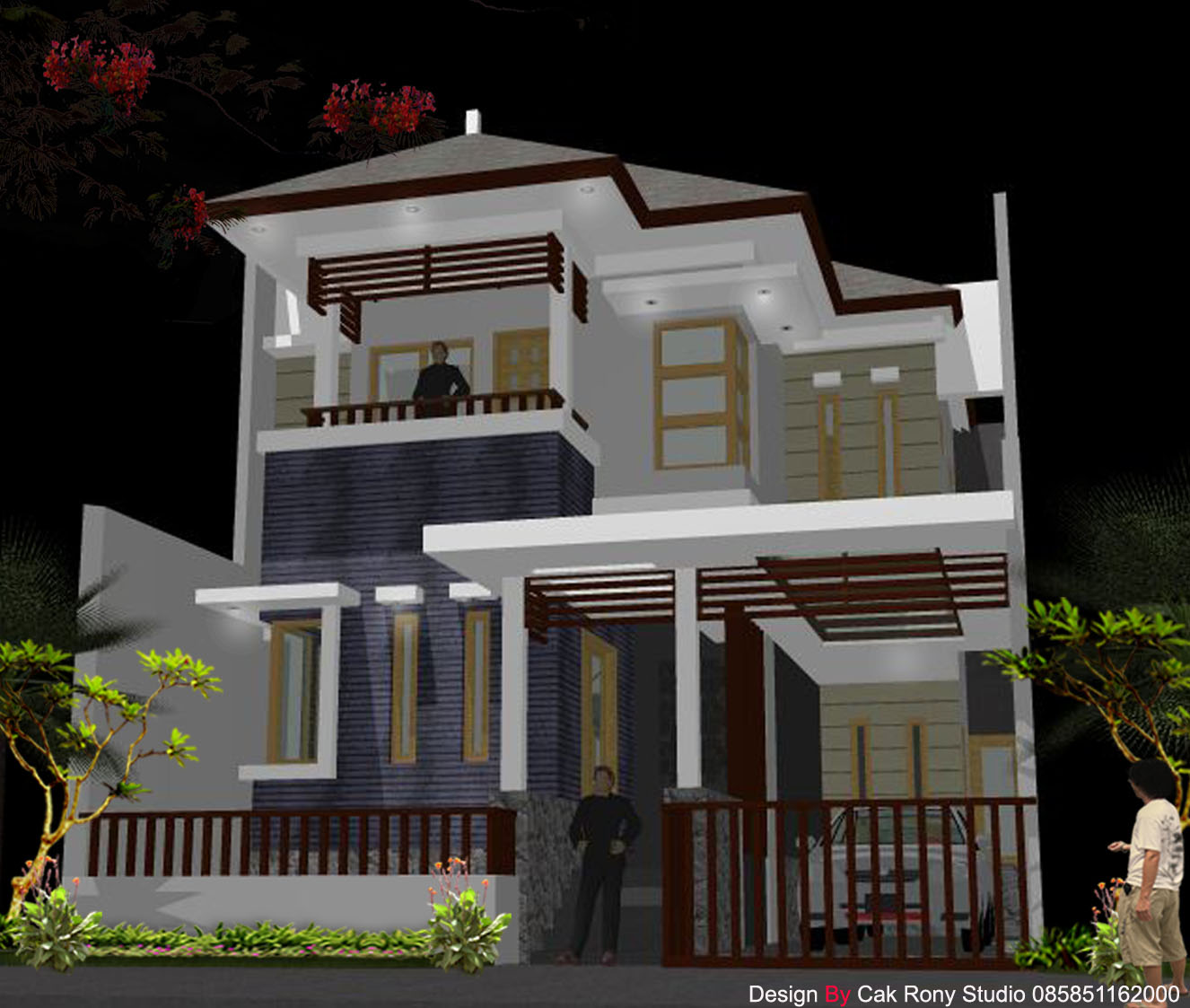
Minimalis Modern House


Minimalis Modern House
read more

0 comments

Design - When Building dreams meet Reality


This topic follows up an earlier article “Design - Start with a Goal and a List” from the November Newsletter - No Better Time to Start your Building Plans.

Moving from your “wish list” to developing a budget is when dreams meet reality or when the rubber meets the road and when many people may become discouraged. Many people are shocked to find out the 600 sq foot addition they’ve been dreaming about may cost as much and take as long to build as it did their split level Kelowna special did 25 years ago. Read more …

Can I suggest that when thinking about renovating or building your dream home you keep in mind the quality – quantity – cost – triangle. This is a project management term that was made popular by Sarah Susanka author of the “Not so Big House series”.

In short, Sarah suggests that after a “wish list” has been created, take a piece of paper and draw a triangle and at each corner place a circle with quality, quantity and cost in each one. Write a dollar amount that you set as your bench-mark in the centre of the triangle. If your budget is fixed then quality or quantity will have to give. If you are planning on keeping your home for some time then Quality may override Quantity, which may result in a down scaling the scope of the project or phasing it.

Keeping this triangle in mind will also help you stay focused on the budget and ultimate goal. It can be very tempting during the build phase to splurge on one item and then find you have to cheap out on your finishes or landscaping to stay within budget.

So remember – one of the three will have to give to achieve your dream:

Cost – how much are you willing to spend to accomplish your dream? Can you do some of the work to help the bottom line?

Quantity – how much space do your really need? Can you spare a square?

Quality – what are you willing to sacrifice or are you willing to risk quality by cutting costs. Will quality be sacrificed if you do the job yourself?

For more information contact
Ken Kunka
Flywheel Building Solutions
250 859 6062
info@flywheelbuildingsolutions.com
read more

Tuesday, February 24, 2009 0 comments

Ulrich Herzog Elementary School

read more

Wednesday, February 4, 2009 0 comments